

About us
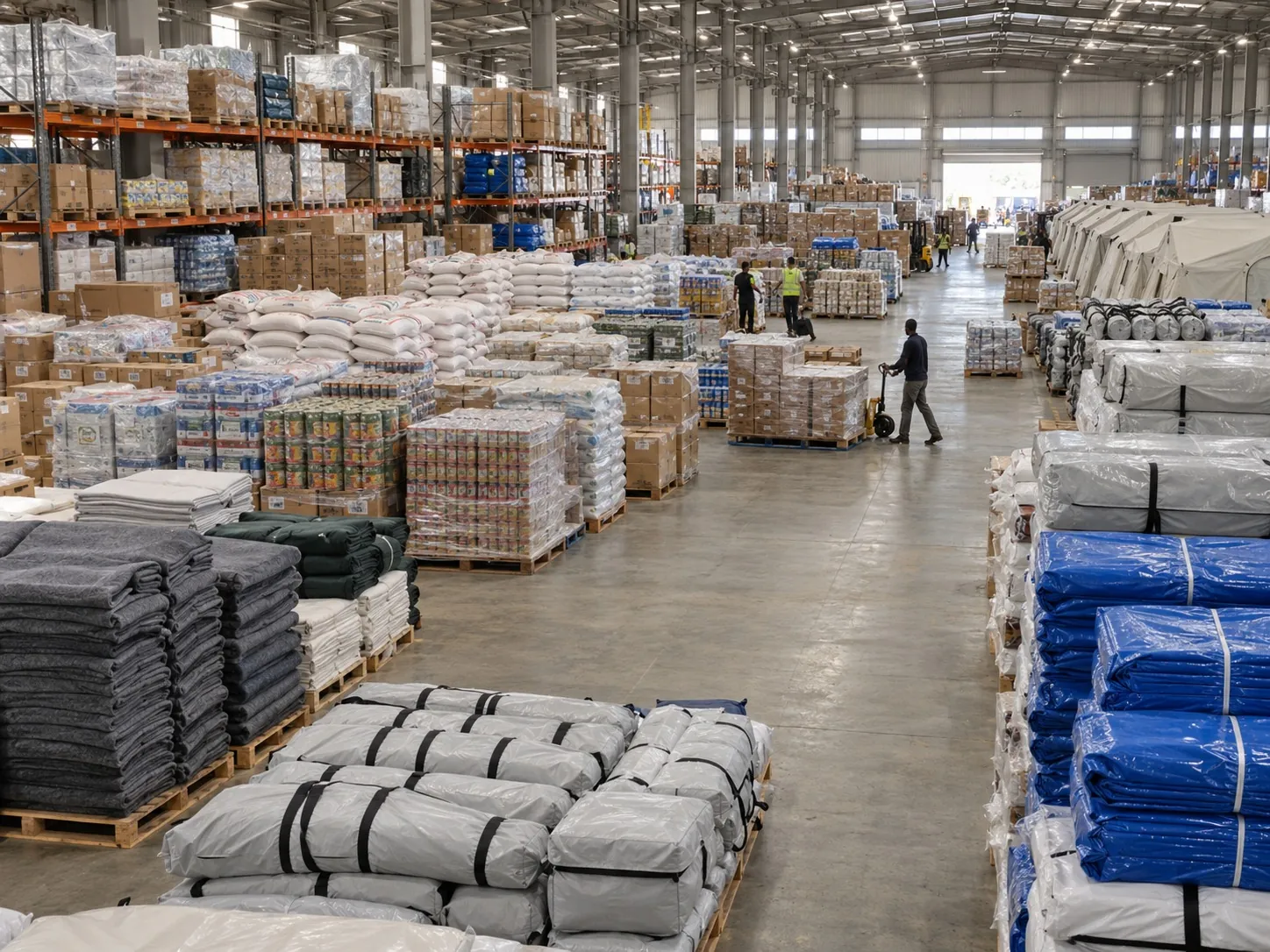
Fixora specializes in integrated logistics solutions for humanitarian and relief organizations. We build reliable supply systems that enable our partners to reach affected communities and to deliver aid and essential supplies on time and with the efficiency the work requires.
Our experience rests on more than 25 years of humanitarian work, through operations and projects implemented in more than 30 countries. This has given our team a thorough understanding of humanitarian response and what it demands, and of the challenges that supply, transport and distribution face in stable and crisis-affected settings alike.
At Fixora, we manage the humanitarian supply chain from planning and needs assessment to procurement and sourcing, then transport and warehousing, through to delivery and field distribution. At every stage, we apply clear monitoring and documentation procedures that improve operational efficiency and ensure a high level of transparency and traceability.
Our task is not limited to moving aid from one point to another. We design and manage logistics solutions suited to the nature and needs of each project, helping humanitarian organizations direct their resources towards what achieves the greatest impact for the people they serve.
We believe logistics is not a supporting step in humanitarian work but an essential part of a successful response. The better organized, more flexible and more reliable the supply chain, the closer aid comes to the people who need it, arriving at the right time and in the right place.
years of experience in humanitarian work
countries where we have worked
Our vision
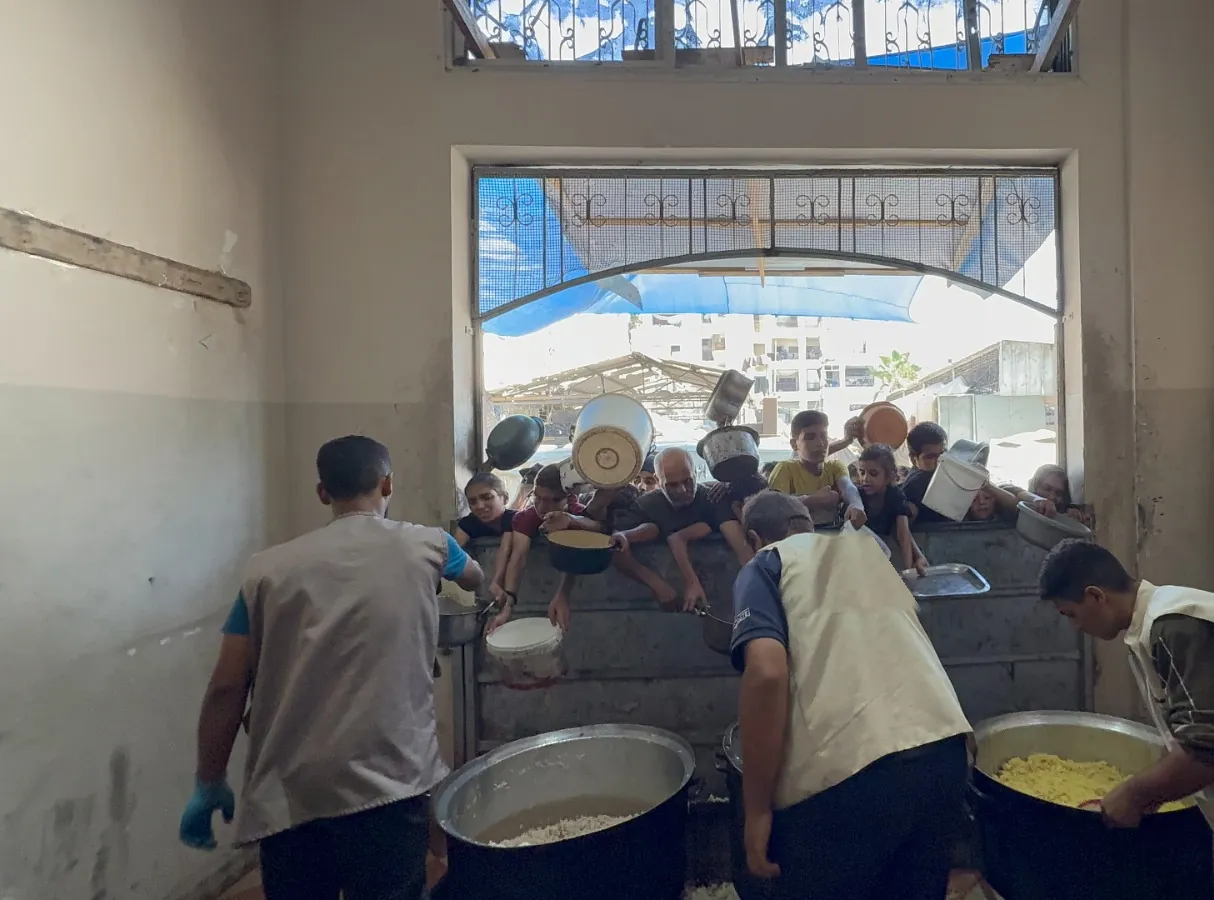
To be the trusted partner that makes humanitarian response faster, supply chains more efficient, and aid closer to the people who need it.
Our mission
To put logistics at the service of people, through integrated solutions that connect resources to needs and strengthen organizations' preparedness and their ability to reach communities efficiently and reliably.
Our goals
Develop and deliver specialized logistics solutions that respond to humanitarian needs and adapt to the nature of each project.
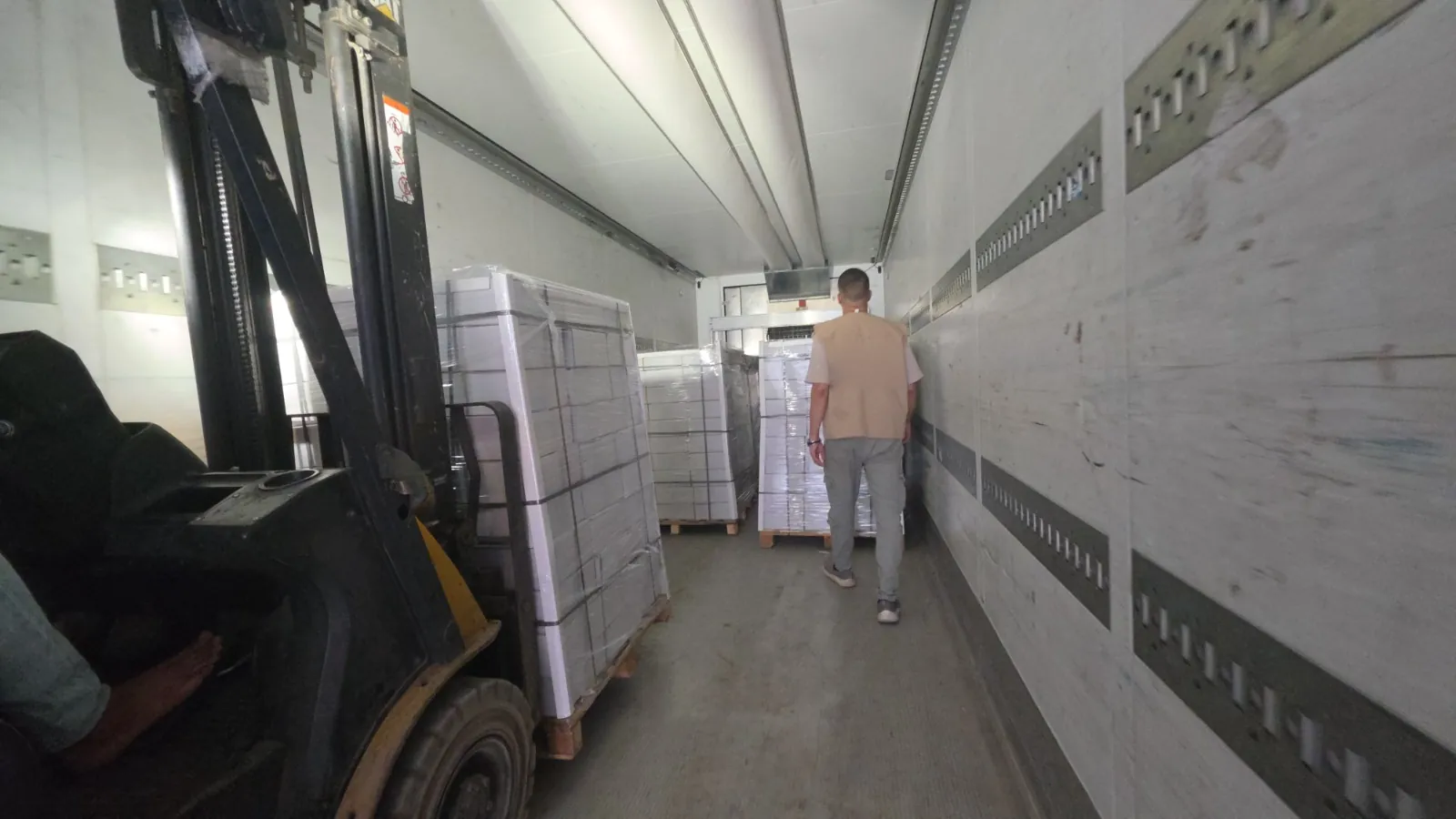
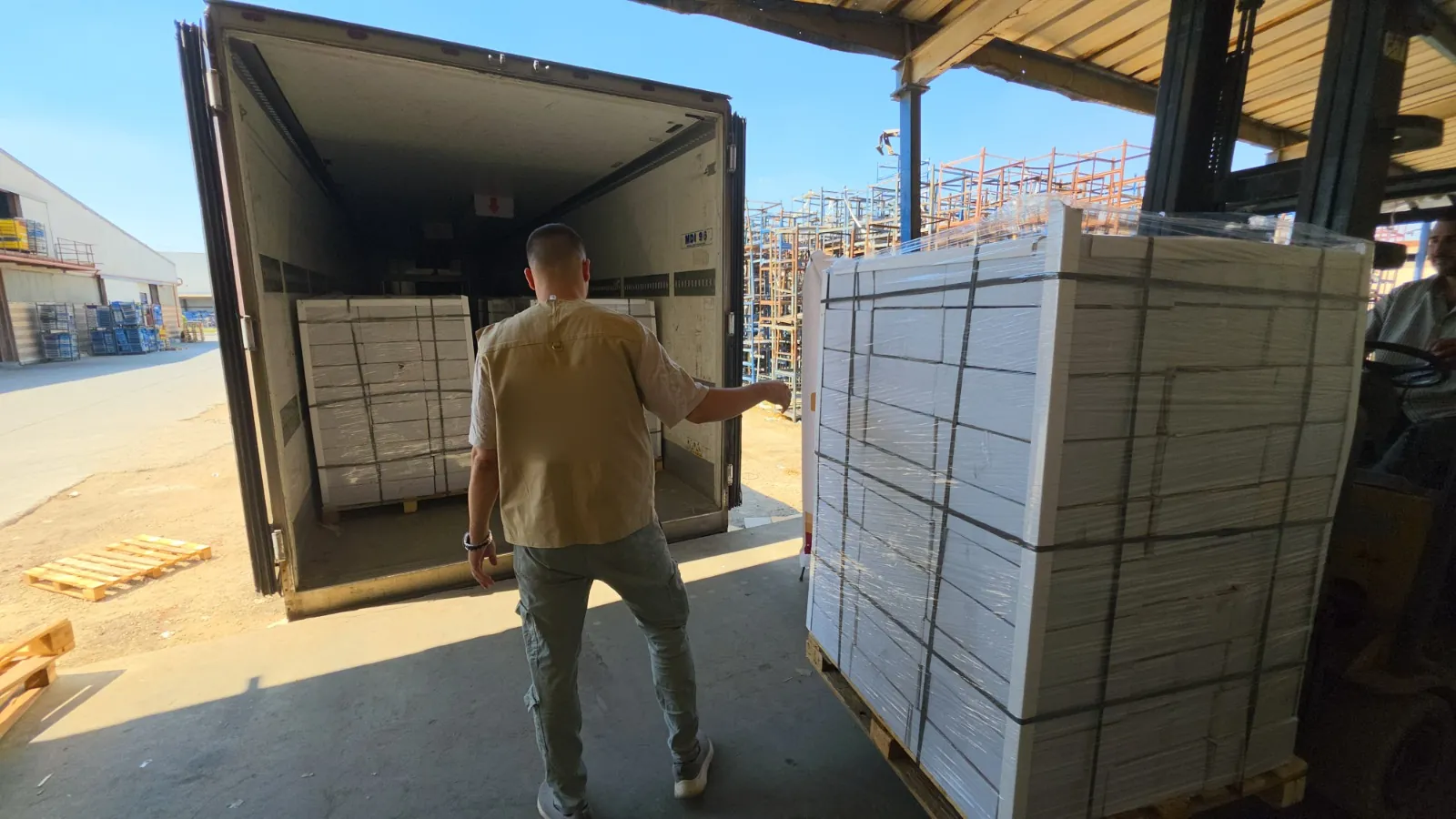
Ensure that aid, materials and supplies reach their intended destinations safely, at the right time and in the right place.
Improve the speed and flexibility of the logistics response in emergencies, disasters and humanitarian crises.
Make humanitarian supply chains more efficient by improving planning, sourcing, transport, warehousing and distribution.
Build long-term strategic partnerships with humanitarian and relief organizations, founded on trust and competence.
Contribute to the United Nations Sustainable Development Goals (SDGs) by putting our expertise and capabilities at the service of humanitarian work, improving access to essential needs, supporting affected communities, and building partnerships that create lasting impact, reaching beyond the immediate response towards more inclusive and sustainable development.
Our values
- Responsibility
- Integrity and transparency
- Complementarity
- Partnership
- Excellence
- Preparedness and responsiveness
Our message to the humanitarian sector
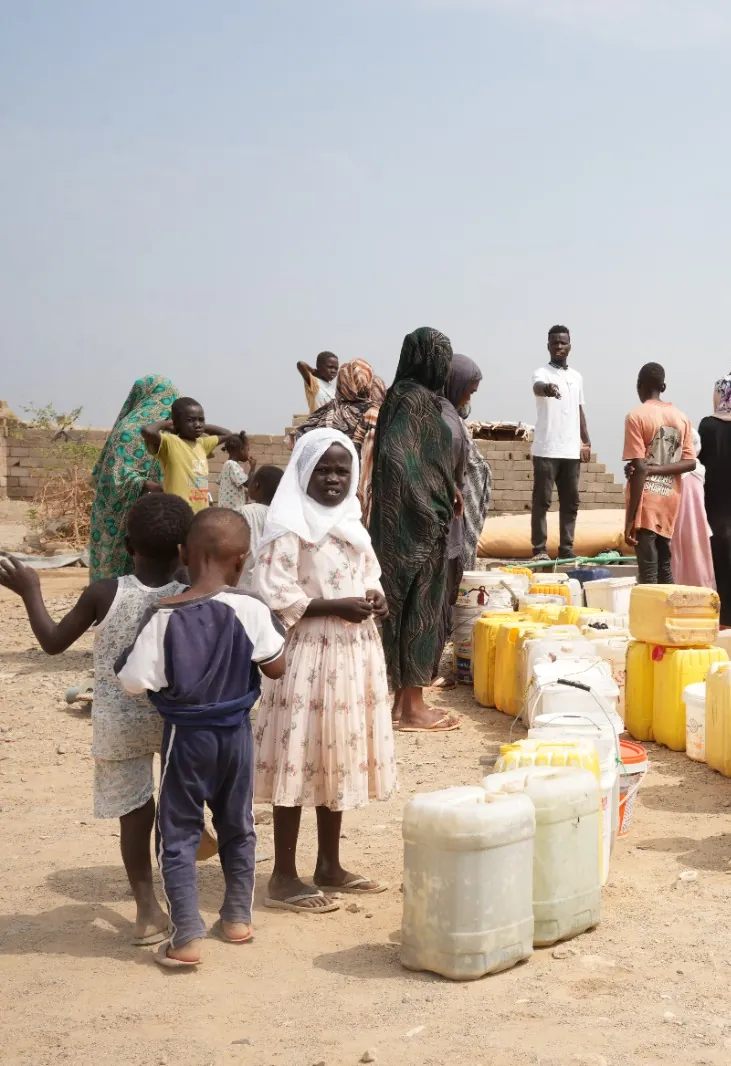
In a crisis, the challenge is not only that aid exists, but that it finds its way to the people waiting for it, at a time when waiting becomes harder to bear.
Behind every shipment is a person waiting: medicine that can save a life, water for a thirsty family, food for a hungry child, shelter for a family forced to leave its home.
This is why we see humanitarian logistics as more than the movement of goods and resources. We see it as a bridge between giving and the place of need, between a decision and its effect on the ground, and between what is provided and what people actually need.
At Fixora, we put our experience, networks and operational capacity at the service of humanitarian organizations, to make the path from source to beneficiary clearer, more efficient and more reliable, and to allow our partners to focus their energy on the heart of their mission.
Because we believe aid isn't complete when it's given, but when it arrives.
This is where our role begins.